How to read people with humility, build agile teams where the we outgrows the I, and pursue community flourishing without reducing anyone to a label.
This article uses a metaphor: the periodic table as a picture of simplicity + differentiation.
No person is an “element,” and no gift is a “personality test.” Gifts are grace, practiced in love, accountable to Scripture, and matured through character.
The core claim
Romans 12:6–8 describes a set of grace-gifts that function like foundational building blocks inside the Body.
Just as chemistry starts with a limited set of elements that combine into astonishing complexity, communities often become healthy when they learn to name distinct contributions, honor differences, and compose them into coherent mission.
From periodic table to “human periodicity”
The periodic table takes the chaos of matter and reduces it to a readable order.
Not every substance is simple, but the underlying simplicity makes complexity intelligible.
In the same spirit, Romans 12 does not flatten humanity.
It gives a usable grammar for:
differentiation (not everyone does the same thing),
composition (gifts combine into mature outcomes),
governance (strengths require safeguards),
love (the goal is the common good, not individual prominence).
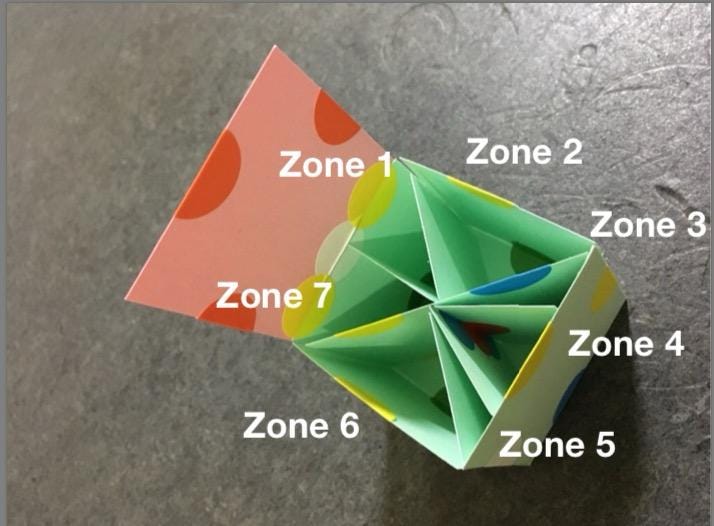
The seven elemental gifts of Abba Father (Romans 12:6–8)
Below is a practical decoding of the seven gifts named in Romans 12:6–8.
I will describe each gift as an “elemental contribution,” then show its strengths, risks, and how it bonds with other gifts.
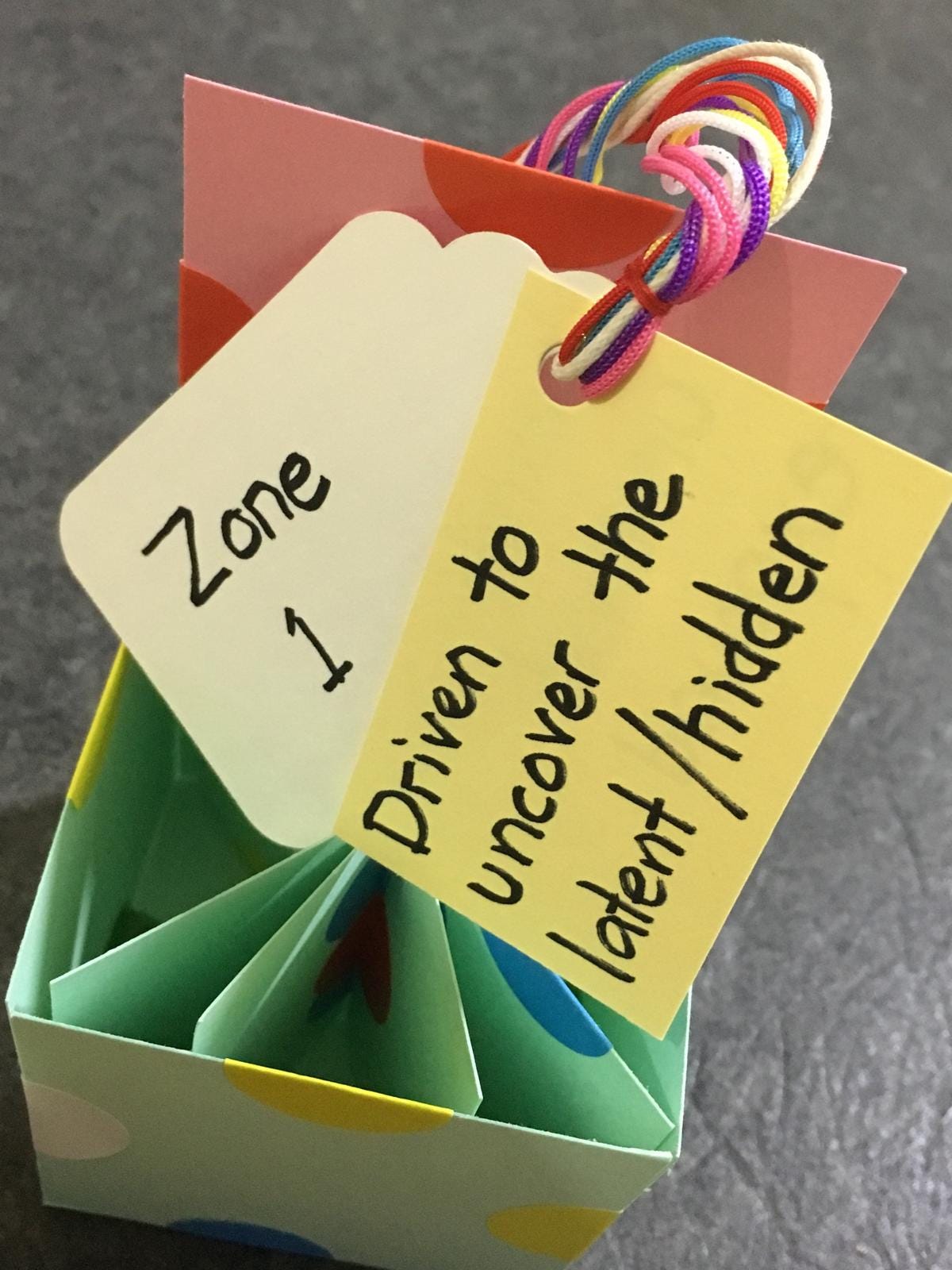
1) Prophecy: the truth-element (alignment and discernment)
Definition: Spirit-enabled clarity that names reality as it is, and calls people back to God’s intent.
What it produces: alignment, repentance, course-correction, clean moral signal.
Primary question: “What is God saying about this, and what is actually true?”
Shadow risk: harshness, impatience, weaponized certainty, suspicion.
Maturity markers: accuracy, meekness, timing, accountability, willingness to be tested.
Natural (from your mother’s womb) ability to clearly say what is true and what God wants, so people can line up with it and change course when needed.
2) Service: the load-bearing element (care through action)
Definition: Grace to carry practical burdens that keep people safe and work moving.
What it produces: reliability, continuity, infrastructure, embodied love.
Primary question: “What needs to be done next, and who needs help?”
Shadow risk: resentment, burnout, silent control, enabling.
Maturity markers: sustainable pace, clear boundaries, joy, delegated strength.
A God-given (from your mother’s womb) natural ability to reliably carry practical needs and help people in concrete ways.
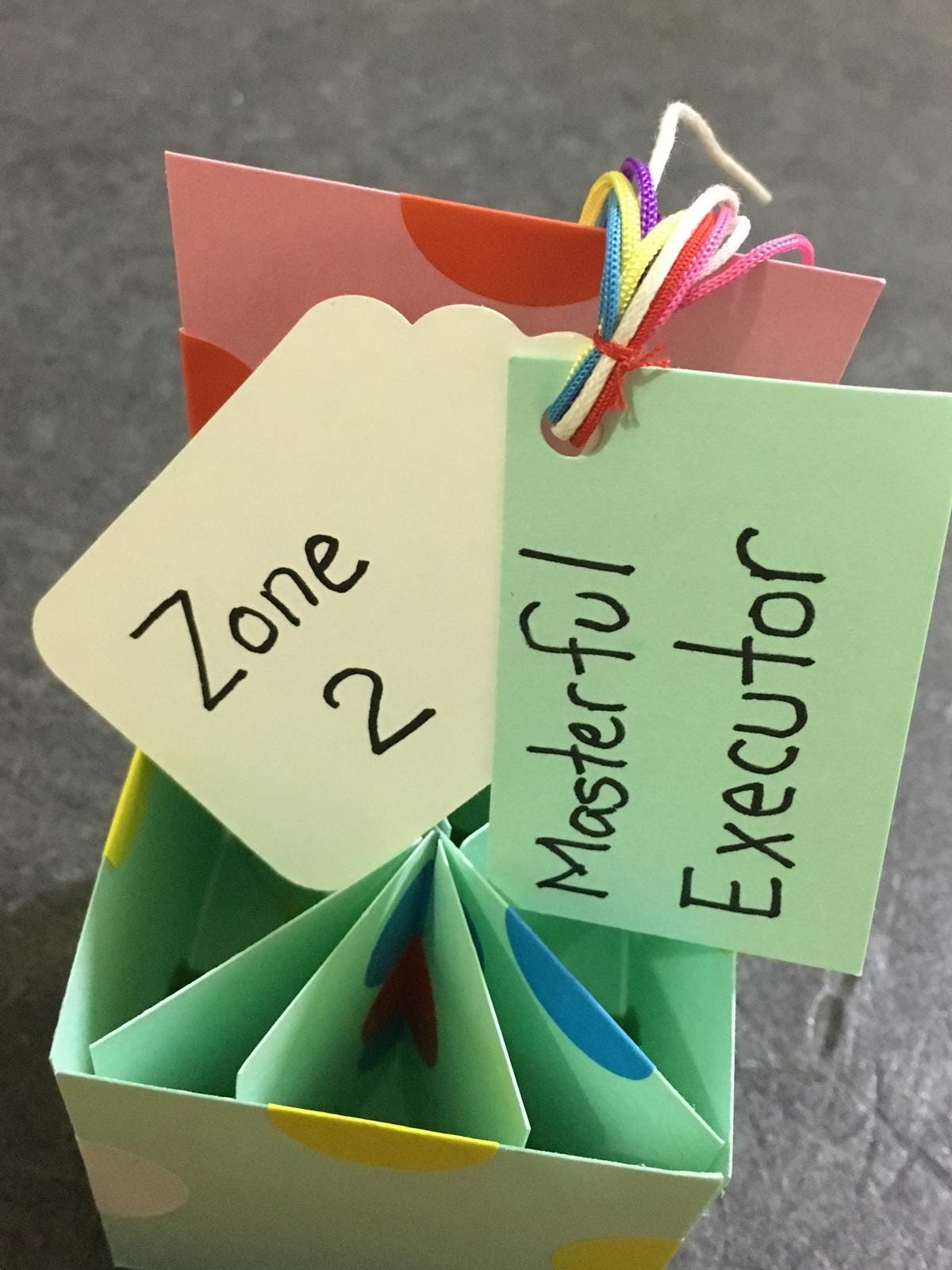
3) Teaching: the structure element (understanding and transfer)
Definition: Grace to explain, order, and transmit truth so it can be learned and reproduced.
What it produces: comprehension, shared language, doctrinal stability, skill transfer.
Primary question: “What is the pattern, and how do we understand it correctly?”
Shadow risk: pedantry, overconfidence, substitution of knowledge for obedience.
Maturity markers: clarity, coherence, learner empathy, practical application.
A God-given natural (from your mother’s womb) ability to take something true and organise it so other people can understand it, learn it, and pass it on.
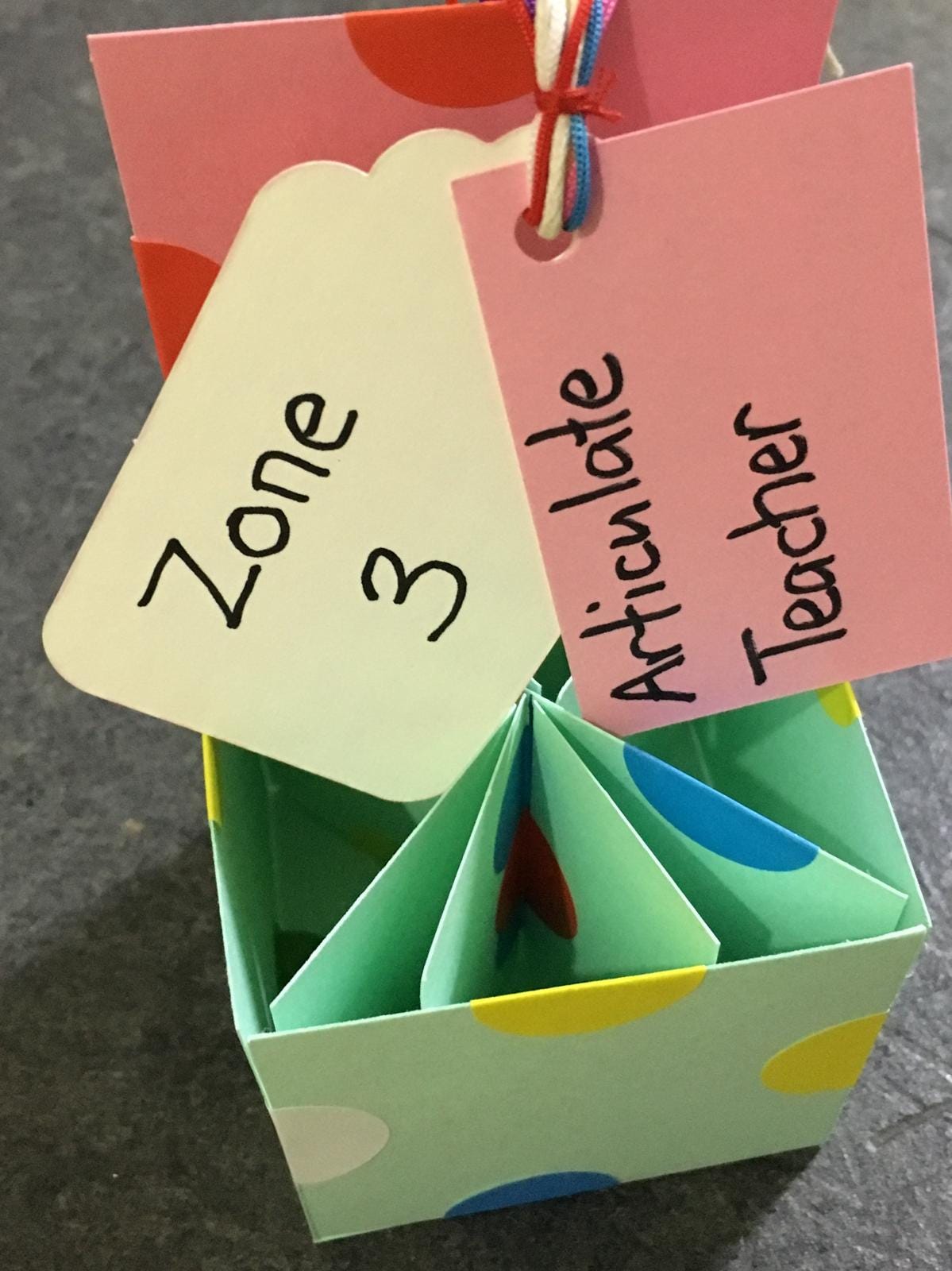
4) Exhortation (encouragement): the activation element (movement and courage)
Definition: Grace to strengthen hearts, call forth obedience, and help people take the next faithful step.
What it produces: resilience, courage, momentum, hope, repentance with oxygen.
Primary question: “What is the next step of faith, and how do we move now?”
Shadow risk: hype, impatience with grief, pressure without care.
Maturity markers: truth + tenderness, pacing, presence, non-anxious leadership.
Exhortation (encouragement) is the gift of helping people feel strengthened and brave enough to take their next right step, with both honesty and gentleness.
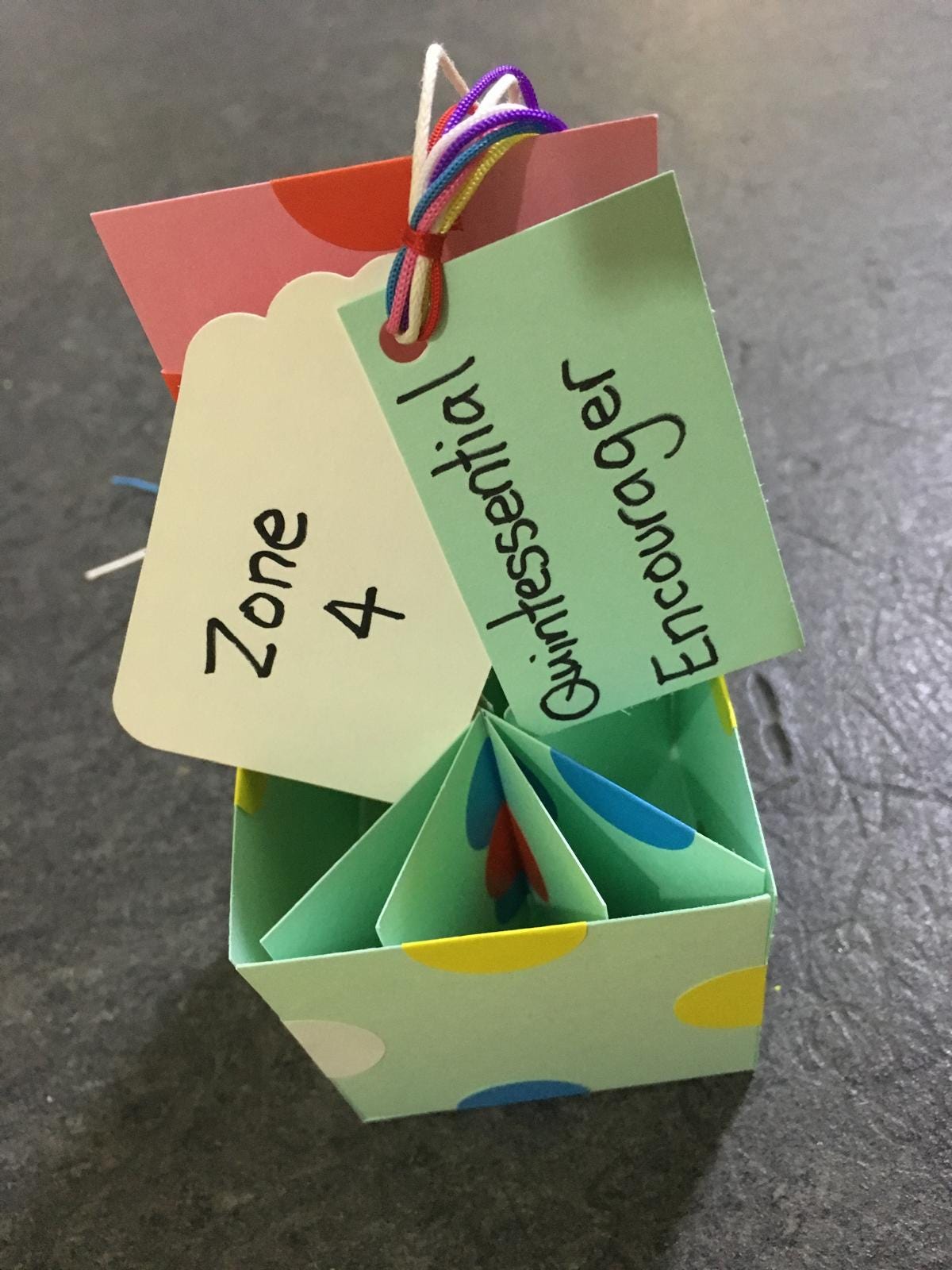
5) Giving: the resource-flow element (generosity and leverage)
Definition: Grace to release resources strategically and joyfully for kingdom impact.
What it produces: capacity, speed, options, protection for the vulnerable.
Primary question: “Where should provision flow so that life multiplies?”
Shadow risk: hidden control, favoritism, transactional giving, scarcity anxiety.
Maturity markers: simplicity, transparency, consent, cheerfulness, stewardship.
A special ability from God and from your mother’s womb to happily and wisely share money, time, or help in a way that truly strengthens others, not to control them or get something back.
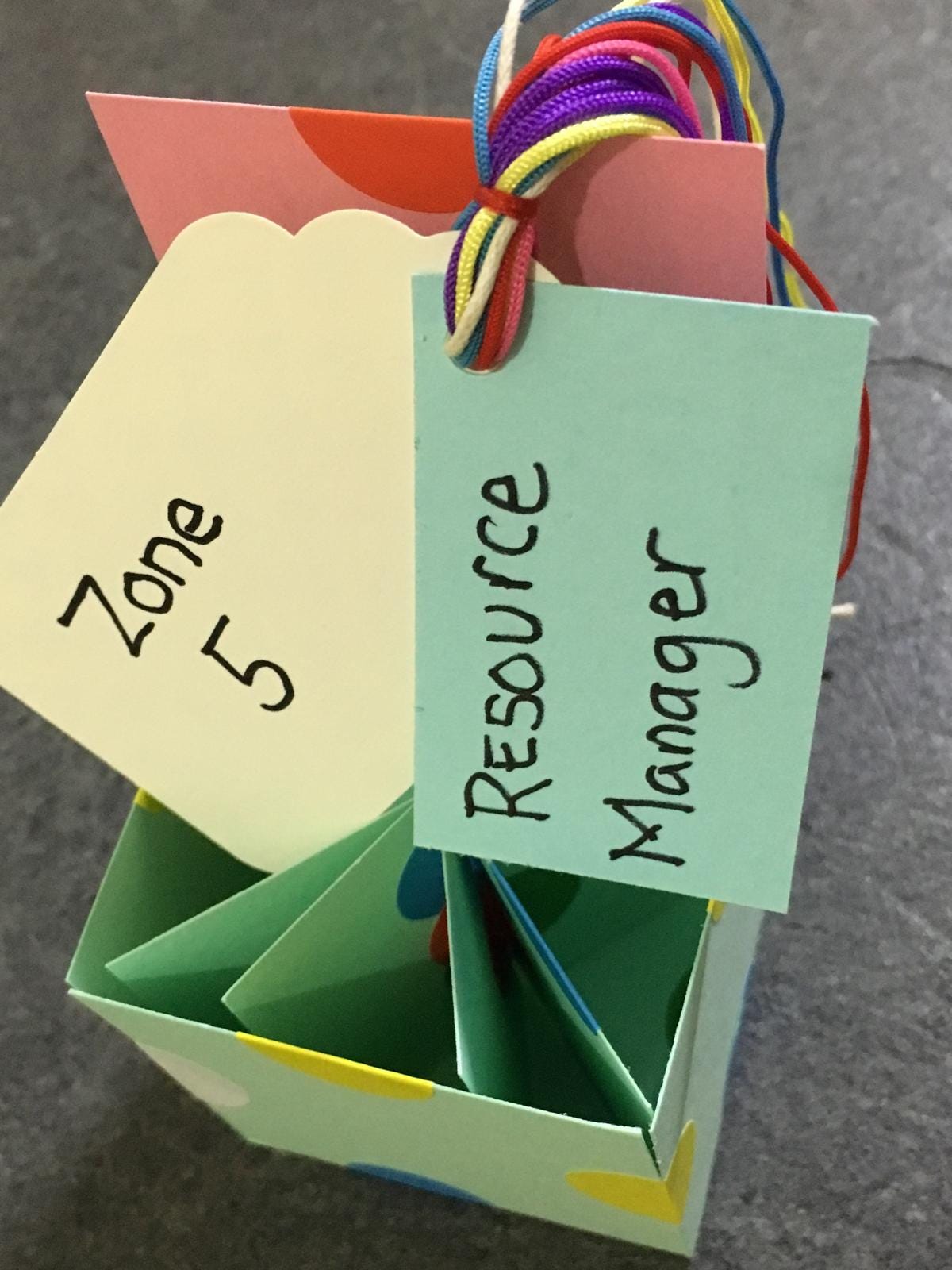
6) Leading: the coordination element (direction and coherence)
Definition: Grace to organize people toward shared outcomes with diligence.
What it produces: clarity of direction, decision-making, prioritization, execution.
Primary question: “What matters most, and how do we coordinate to deliver?”
Shadow risk: domination, speed without listening, metrics without mercy.
Maturity markers: servanthood, decisiveness, delegation, accountability, care for people.
Leading here means having a God-given (from your mother’s womb) ability to help a group decide what matters most and work together to get it done, in a careful and steady way.
7) Mercy: the healing element (compassion and restoration)
Definition: Grace to move toward pain, carry compassion, and restore dignity with cheerfulness.
What it produces: trust, reconciliation, safeguarding, long-term wholeness.
Primary question: “Where is the wound, and how do we restore the person?”
Shadow risk: avoidance of truth, boundary collapse, rescue patterns.
Maturity markers: compassion with wisdom, safeguarding, firmness, joy without denial.
It means this gift is a God-given ability (from your mother’s womb) to notice when someone is hurting and move toward them with compassion to help them feel safe and valued again.
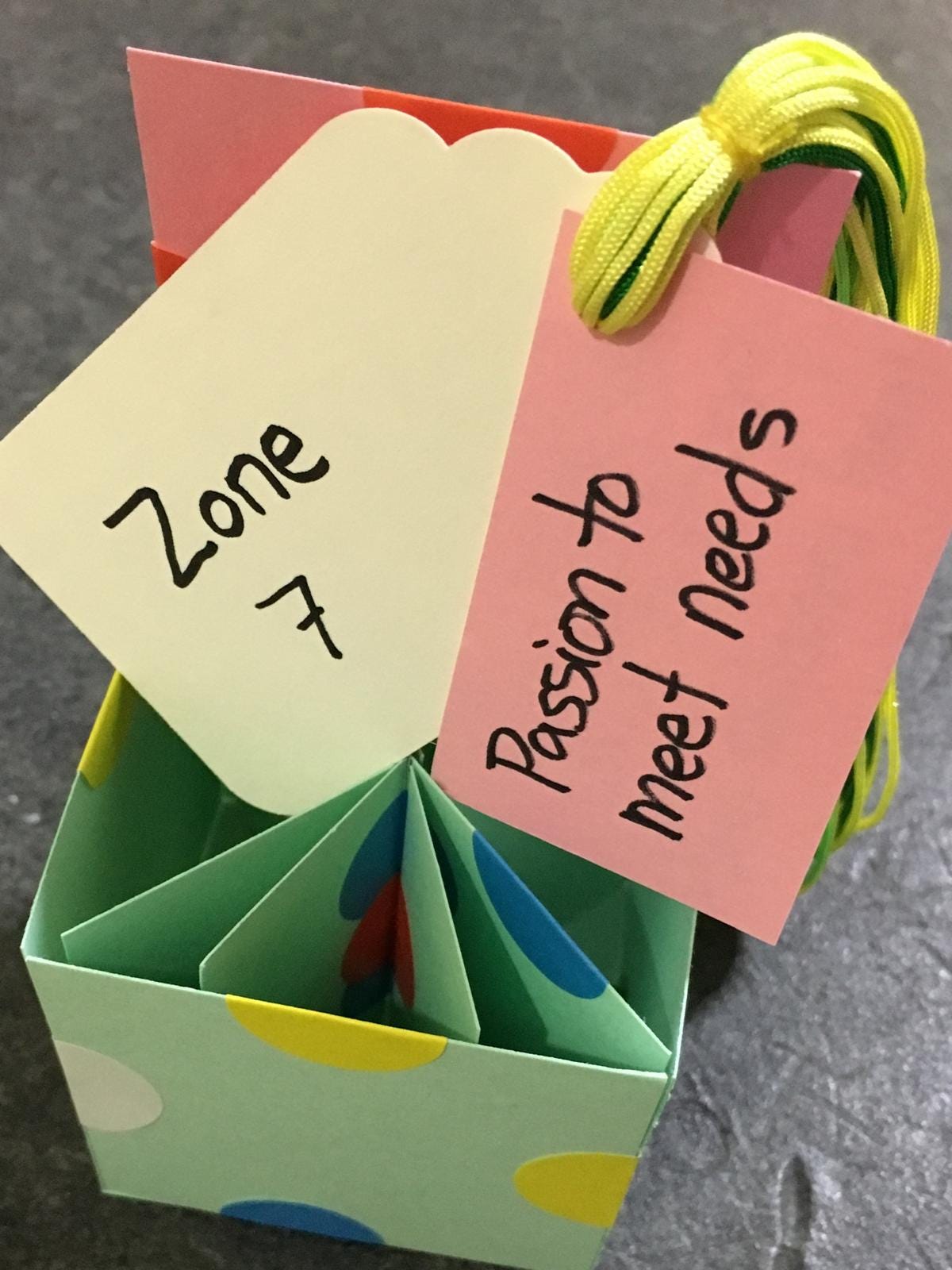
Atomic simplicity: “valence” in gifts (how gifts bond)
In chemistry, elements have valence.
They bond.
They form compounds.
Likewise, these gifts rarely work alone.
They bond into mature outcomes.
Common “gift compounds” (healthy bonds)
Prophecy + Mercy → truth that heals, correction that restores.
Teaching + Exhortation → understanding that moves people into obedience.
Service + Leading → execution with care, operations with direction.
Giving + Leading → provision aligned to strategy, generosity without waste.
Teaching + Prophecy → clarity anchored in Scripture, discernment with structure.
Toxic compounds (unhealthy bonds)
Leading without Mercy → efficiency that crushes.
Mercy without Prophecy → comfort that avoids repentance.
Teaching without Exhortation → information without transformation.
Service without Leading → busywork that burns out.
Giving without transparency → leverage that manipulates.
Modal excellence: reading behavior without reducing the person
To become fluent in reading a person “like a book,” do not start by labeling.
Start by observing what someone repeatedly strengthens in the room.
A practical decoding grid
What does this person protect? (truth, people, outcomes, resources, learning, momentum, care)
What do they notice first? (misalignment, need, confusion, fear, scarcity, drift, pain)
What do they do under pressure? (confront, carry, explain, rally, fund, decide, soothe)
What do they avoid? (conflict, mess, ambiguity, slowness, risk, vulnerability, grief)
What do they call “success”? (purity, reliability, clarity, change, capacity, delivery, restoration)
This is not mind-reading.
It is disciplined love: paying attention so you can serve well.
Agile team management: how the we becomes greater than the I
Agile teams win when they do three things consistently:
Differentiate roles without ranking people.
Create feedback loops so gifts stay accountable.
Build shared artifacts so the team learns faster than any individual.
The “7-gifts team gameplan” (simple and repeatable)
Name contributions
Ask each person: “What do you repeatedly bring that strengthens the team?”
Assign lanes
Put gifts into lanes: alignment (prophecy), care (mercy/service), learning (teaching), momentum (exhortation), provision (giving), coordination (leading).
Install safeguards
Each lane has one explicit risk and one accountability rhythm.
Run short cycles
Weekly cadence: plan, execute, review, adjust.
Honor bonding
Pair gifts intentionally (truth + compassion, learning + activation, coordination + service).
A lightweight “gift-to-role” map for teams
(1.) Prophecy → quality signal, alignment checks, ethical red lines.

(2.) Service → operations, follow-through, care tasks.
Teaching → onboarding, documentation, training, shared language.
Exhortation → facilitation, coaching, unblock energy.
Giving → resourcing, partnerships, budgeting generosity.
Leading → priorities, decision-making, delivery accountability.
Mercy → pastoral care, safeguarding, conflict repair.
Why this matters for community flourishing
Communities fracture when:
truth is punished,
mercy is mocked,
leadership is unchecked,
service is invisible,
teaching is despised,
exhortation becomes hype,
giving becomes control.
Communities flourish when every gift is:
named,
honored,
trained,
paired,
governed,
and aimed at love.
Closing declaration
Abba Father does not build lampstands with one “best” gift.
He builds living lampstands with a whole set of grace-gifts, ordered by love, tested in community, and matured through obedience.
The goal is not to classify people.
The goal is to compose a faithful we.
Where gifts bond in humility, the Body becomes readable, resilient, and fruitful.
Appendix: a simple self-assessment (for team conversations)
Which gift do you default to when you enter a room?
Which gift do you distrust, and why?
Under stress, what do you become?
What accountability keeps your gift clean?
What gift do you need beside you to become whole?